
Published: October 7, 2026
Most renters assume the landlord’s policy has them covered, and that’s the mistake that costs people the most. Your landlord insures the building, not your laptop, your couch, or the lawsuit that follows if a guest slips in your kitchen. Renters insurance fills that gap for roughly $14 a month on average, paying to replace your belongings after a fire or theft, covering you if you’re found liable for someone’s injury, and picking up hotel bills if your place becomes unlivable. For most people who rent, it’s one of the cheapest pieces of financial protection you can buy, and it’s often required by the lease anyway.
What Is Renters Insurance?
Renters insurance (also called tenant insurance, or an HO-4 policy in the US) is a policy for people who live in a home they don’t own. That includes apartments, rented houses, condos, and even dorm-style rentals. You can read a general overview of renters’ insurance on Wikipedia, but here’s the short version: you pay a small premium, and the insurer pays out when something on the policy’s list of covered events damages your stuff or makes you legally responsible for someone else’s loss.
The key thing to understand is the split between what your landlord insures and what you insure. The landlord’s policy covers the structure: walls, roof, built-in appliances, plumbing. It does not cover your personal property, and it won’t defend you if you cause damage. As the Texas Department of Insurance puts it, your landlord’s insurance won’t cover your personal items. That part is on you.
What Does Renters Insurance Cover?
A standard renters policy bundles three main protections. According to the Insurance Information Institute, these are personal property, liability, and additional living expenses. Many policies also add a small amount of medical payments coverage.

Personal property
This is the part most people think of. If your belongings are damaged or destroyed by a covered event, the insurer pays to repair or replace them, up to your coverage limit and minus your deductible. Covered events (called “perils”) on a typical policy include:
- Fire and smoke
- Lightning and windstorm
- Theft and vandalism
- Explosions
- Certain sudden water damage, like a burst pipe or an overflowing washer upstairs
Here’s a detail people miss: personal property coverage usually follows you. If your bike is stolen from a gym rack or your laptop is taken from your car, your renters policy can pay for it, even though it didn’t happen at home. Some policies cap off-premises claims at a portion of your total limit, so check the wording.
Liability coverage
Liability coverage pays if you’re found legally responsible for injuring someone or damaging their property. Think of a friend who trips over a rug in your apartment and breaks a wrist, or a bathtub you leave running that floods the unit below. It also pays for your legal defense if you’re sued. Most policies start at $100,000 in liability coverage, and you can usually raise it to $300,000 or $500,000 for a few dollars more a month.
Many renters policies also extend liability protection to dog bites, though some insurers exclude certain breeds or dogs with a bite history. If you have a dog, ask directly.
Additional living expenses (loss of use)
If a covered event makes your rental unlivable, like a kitchen fire that forces the building to close for repairs, this coverage pays the extra cost of living somewhere else. That can include a hotel or short-term rental, restaurant meals above your normal grocery spend, and even extra commuting costs. It’s the coverage nobody thinks about until they need it, and it can easily be worth thousands of dollars after one bad night.
Medical payments to others
This is a small, no-fault coverage (often a few thousand dollars) that pays a guest’s minor medical bills if they’re hurt at your place, regardless of who was at fault. It helps settle small injuries quickly, before they turn into a liability claim.
What Is Not Covered by Renters Insurance?
Knowing the exclusions matters as much as knowing the coverage. A standard renters policy generally won’t pay for:
- Floods. Rising water from storms or overflowing rivers is excluded. You’d need a separate policy, available through the National Flood Insurance Program at FloodSmart.gov or private insurers.
- Earthquakes. Also excluded on standard policies. You can usually add an earthquake endorsement or buy a separate policy.
- The building itself. Damage to walls, floors, and fixtures belongs to your landlord’s policy.
- Your roommate’s stuff. Your policy covers you and, typically, relatives living with you. An unrelated roommate needs their own policy unless they’re specifically named on yours.
- Pests and wear. Bed bugs, termites, mold from slow leaks, and normal wear and tear aren’t covered.
- Your car. Theft of items inside the car is usually covered, but damage to the car itself belongs to auto insurance.
- High-value items above sub-limits. Policies cap payouts for certain categories. Texas regulators list common limits such as $100 for cash, $500 for jewelry and watches, and $2,500 for business property. If you own an engagement ring or expensive camera gear, you’ll want a “scheduled personal property” add-on.
The water damage gray zone
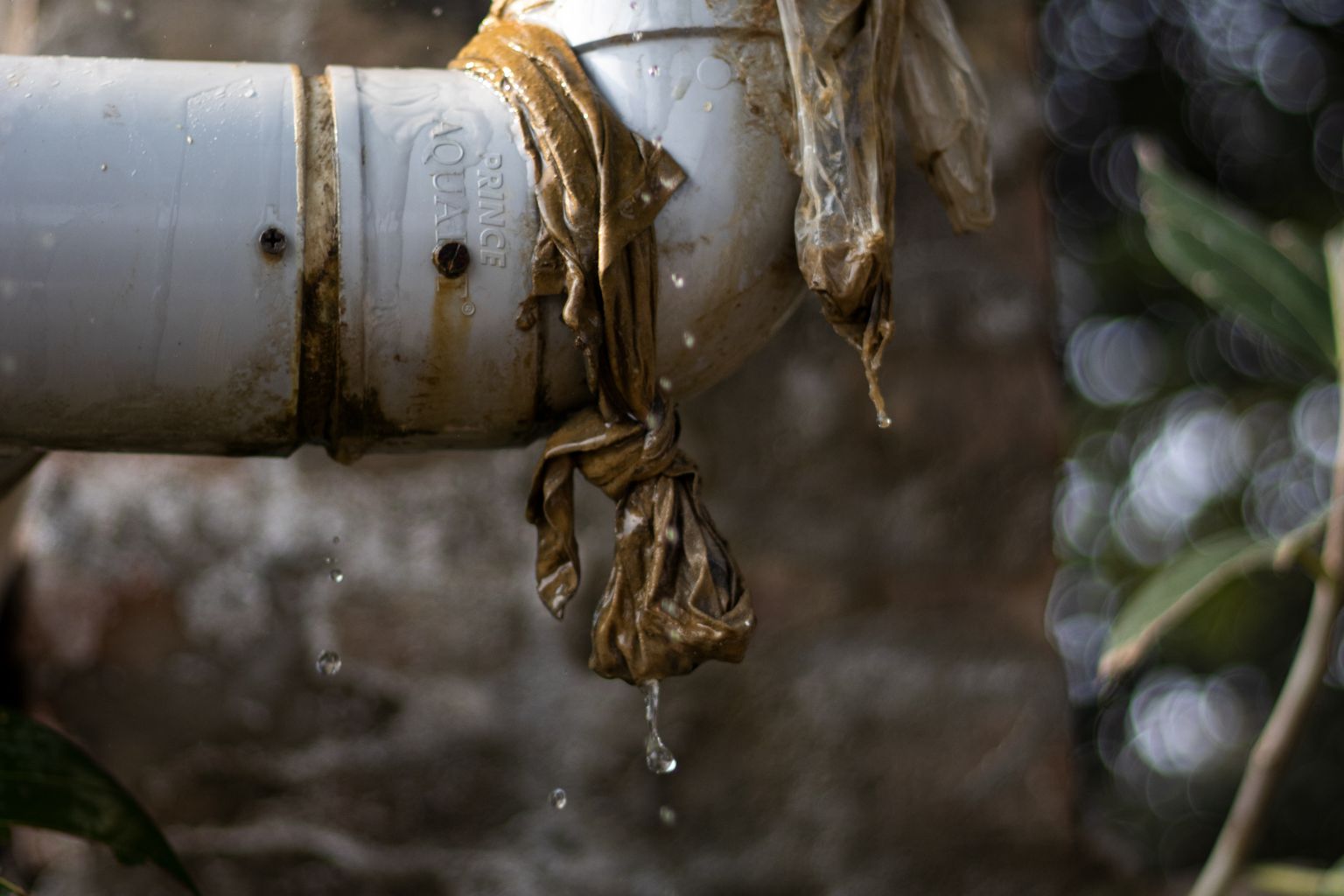
Water claims trip people up more than anything else. A pipe that suddenly bursts and soaks your furniture is usually covered. A slow drip under the sink that rots the cabinet over six months usually isn’t, because insurers treat that as a maintenance issue. Flood water from outside is excluded entirely. Water backing up through a drain or sewer line is often excluded too, unless you add a water backup endorsement. If you live in a basement unit or an older building, that add-on is worth a look.
How Much Is Renters Insurance?
Renters insurance cost is low compared with almost every other type of coverage. NerdWallet’s 2026 rate analysis puts the national average at about $165 a year, or around $14 a month, for a policy with $30,000 in personal property coverage, $100,000 in liability, and a $500 deductible.
Prices swing a lot by state, mostly because of weather risk. In that same analysis:
| State | Average annual cost | Average monthly cost |
|---|---|---|
| Louisiana (most expensive) | $315 | $26 |
| Mississippi and Georgia | $250 | $21 |
| Alabama | $245 | $20 |
| Vermont and Wyoming (cheapest) | $120 | $10 |
| Alaska, Iowa, and Maine | $125 | $10 |
Treat these as ballpark figures. Your actual quote depends on your address and your choices.
What affects your renters insurance cost
- Location. ZIP codes with higher theft rates or more severe weather cost more.
- Coverage limits. More personal property and liability coverage raises the premium, though not by much.
- Deductible. A $1,000 deductible costs less each month than a $500 one, but you pay more out of pocket when you claim.
- Replacement cost vs actual cash value. More on this below.
- Claims history. Prior claims can raise your rate.
- Credit history. In most states, insurers can use a credit-based insurance score to set your price. If yours is shaky, improving it can lower more than just your loan rates.
- Pets and safety features. Some breeds raise premiums, while smoke detectors, deadbolts, and alarm systems can earn discounts.
Actual cash value vs replacement cost
This choice affects your payout more than almost anything else. An actual cash value policy pays what your item was worth at the time of loss, after depreciation. A replacement cost policy pays what it costs to buy a comparable new item today.
Here’s what that looks like in practice. Say a fire destroys a four-year-old laptop that cost $1,200. Under actual cash value, the insurer might value it at $400 after depreciation, and after a $500 deductible you could get nothing for it alone. Under replacement cost, you’d get the price of a comparable new laptop, minus your deductible. The Insurance Information Institute notes replacement cost coverage typically costs about 10% more. On a $165 annual premium, that’s roughly $16 a year, and it’s usually the better deal.
How Much Renters Insurance Do You Need?
The simplest way to answer this is to add up what it would cost to replace everything you own. Walk room by room with your phone and record a video of your stuff. Open closets and drawers. Then estimate replacement prices for the big categories:
- Furniture and mattresses
- Electronics, including TVs, laptops, phones, and gaming gear
- Clothing and shoes (this total usually surprises people)
- Kitchen items and small appliances
- Bikes, sports equipment, and tools
A one-bedroom apartment can easily add up to $20,000 to $40,000 once you count everything. Pick a personal property limit that matches your total, not a round number that feels right.
For liability, $100,000 is the usual minimum. If you have meaningful savings, investments, or a high income, consider $300,000 or more, since a serious injury lawsuit can go after your assets. Bumping liability is one of the cheapest upgrades on the policy. Some people with significant assets add an umbrella policy on top.
Do I Need Renters Insurance?
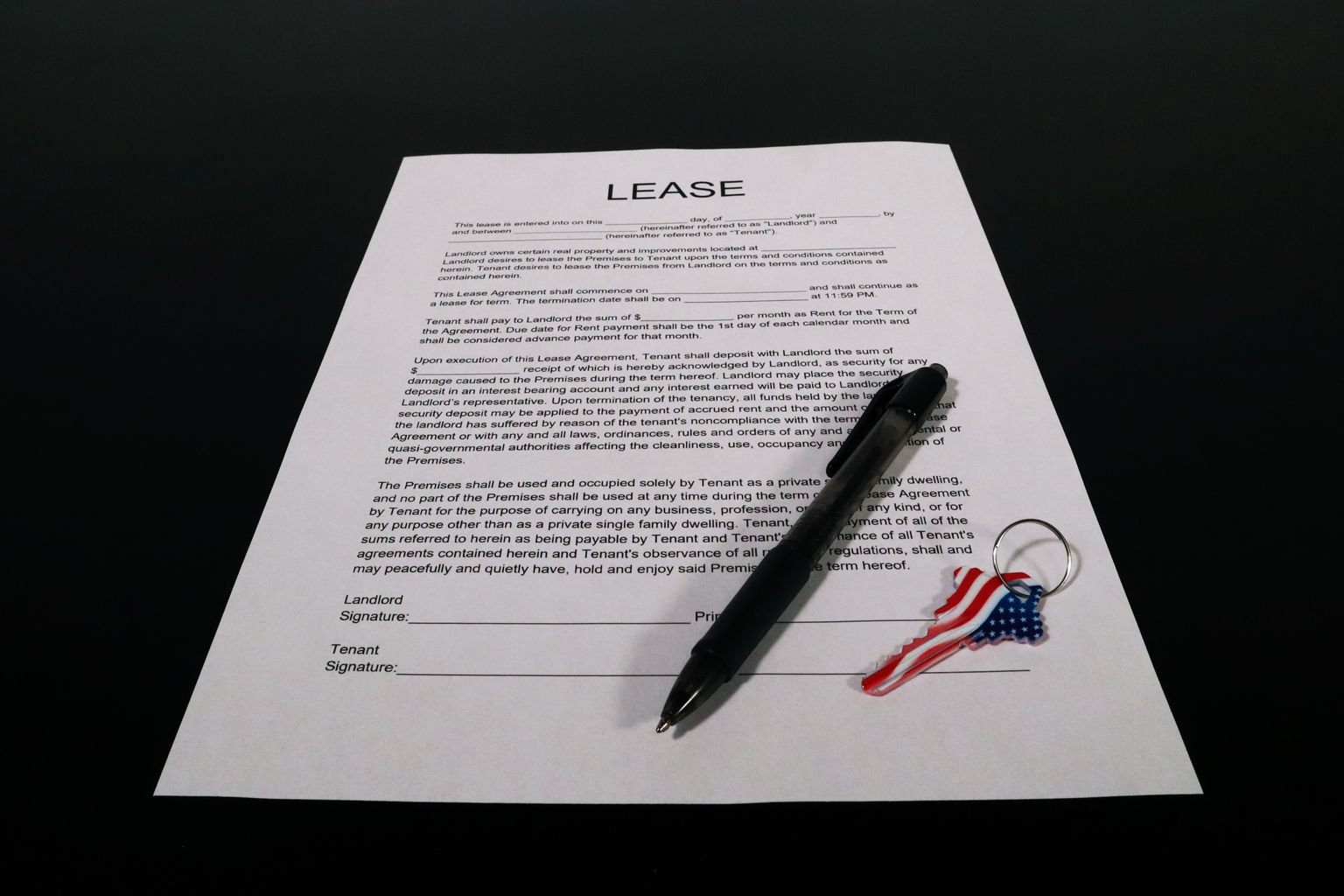
Legally, no state requires you to carry renters insurance. Practically, many landlords do. It’s common for a lease to require a policy with a minimum liability limit (often $100,000) and to ask you to list the landlord as an “interested party” so they’re notified if coverage lapses. If your lease includes that clause, skipping insurance can put you in breach.
Even when it’s optional, ask yourself one question: could you afford to replace everything you own and pay for a hotel for a month, out of savings, next week? If the answer is no, you need it.
Who might be able to skip it
- College students living in a dorm. Some parents’ homeowners policies extend limited coverage to a dependent’s belongings at school. Check the policy before buying a separate one.
- People with very few belongings and solid emergency savings. If everything you own fits in a car and you could replace it without stress, the property side matters less, though liability protection is still worth having.
Is Renters Insurance Worth It?
For most renters, yes. The math is lopsided. You spend about $165 a year to protect against losses that can run into the tens of thousands. A single apartment fire can wipe out your furniture, clothes, and electronics, and force you into a hotel for weeks. A single liability claim, like a guest’s injury or water damage to your downstairs neighbor’s unit, can cost far more than your belongings are worth.
It’s also worth knowing what renters insurance isn’t. It’s not a maintenance plan, and it’s not meant for small claims. If your $300 headphones get stolen and your deductible is $500, you won’t get paid. The real value is protection against the big, life-disrupting losses you couldn’t easily absorb on your own.
How to Buy Renters Insurance and Save Money
Getting a policy takes about 15 minutes online. A few habits will keep the price low:
- Get at least three quotes. Prices for the same coverage can vary widely between insurers.
- Bundle with auto insurance. Most insurers offer a multi-policy discount, and it sometimes makes renters coverage almost free.
- Choose your deductible wisely. A higher deductible lowers the premium. Pick an amount you could pay tomorrow without stress.
- Ask about discounts. Smoke detectors, sprinklers, alarm systems, paying annually, and going paperless can all cut the rate.
- Keep a home inventory. It speeds up claims and helps you choose the right limit. Store the video in the cloud, not just on your phone.
- Review the policy every year. New purchases, a move, or a new pet can change what you need.
Renters insurance works best as one piece of a wider safety net that includes an emergency fund and smart everyday money habits. You’ll find more practical guides on building that net over at Da Finance Blog.
Conclusion
Renters insurance is one of the few financial products where the price and the protection are wildly out of proportion, in your favor. For about the cost of a streaming subscription, it replaces your belongings after a fire or break-in, protects you if someone gets hurt at your place, and keeps a roof over your head while your rental is repaired. Take a quick inventory, choose replacement cost coverage, set a liability limit that matches your assets, and compare a few quotes. Then read the exclusions so a flood or a slow leak doesn’t catch you off guard.
Disclaimer: This article is for general information only and is not personalized financial, insurance, or legal advice. Coverage, prices, and rules vary by insurer, state, and policy, and can change. Read your policy documents and talk to a licensed insurance agent before choosing coverage.
Frequently Asked Questions
Q1: What does renters insurance cover?
A: Renters insurance covers your personal belongings against events like fire, theft, and certain water damage, your liability if you injure someone or damage their property, and extra living costs if your home becomes unlivable after a covered loss.
Q2: How much is renters insurance per month?
A: The national average is about $14 a month ($165 a year) for $30,000 of property coverage and $100,000 of liability, based on NerdWallet’s 2026 data. Your rate depends on your state, coverage limits, and deductible.
Q3: Does renters insurance cover my roommate?
A: Usually not. Your policy covers you and relatives who live with you. An unrelated roommate generally needs their own policy, unless your insurer allows you to name them on yours.
Q4: Does renters insurance cover theft outside my home?
A: Yes, in most cases. Personal property coverage typically follows you, so items stolen from your car, a hotel, or while traveling can be covered, sometimes up to a lower off-premises limit.
Q5: Does renters insurance cover flood damage?
A: No. Standard renters policies exclude flooding. You’d need separate flood insurance through the National Flood Insurance Program or a private insurer.
Q6: Can my landlord require renters insurance?
A: In most cases, yes. Many leases require tenants to carry a minimum amount of liability coverage and provide proof of insurance before move-in.
Q7: Is renters insurance worth it if I don’t own much?
A: Often yes, because liability coverage protects you from lawsuits that could cost far more than your belongings. Even a basic policy is inexpensive.


1 comment
[…] hobbies, and price you accordingly. And neither policy covers your belongings; that’s what renters insurance is […]