
Published: October 21, 2026
Disclaimer: General information only, not tax advice. Prices and free-filing rules change every season, so confirm on each provider’s site before you file.
TurboTax is the easier program to use, and TaxAct is the cheaper one. That’s the short version of the TurboTax vs TaxAct debate, and it holds for the 2026 filing season. TurboTax walks you through your return like a patient tutor, pulls in brokerage forms with a couple of clicks, and has the stronger help library. TaxAct covers the same IRS forms, usually charges less for the paid tiers, and backs its work with an accuracy guarantee of up to $100,000. The catch on both sides is the free version. Each one only covers simple returns, and the fine print on state fees and unemployment income can decide the winner for you. Below we compare price, free editions, ease of use, expert help, guarantees and self-employed support, then tell you which one fits which kind of filer.
Which is better, TurboTax or TaxAct?
For most first-time filers and anyone with a messy return, TurboTax is the better experience. For confident filers who know their way around a 1040 and want to keep more of their refund, TaxAct is the better value.
PCMag’s tax software reviewer, who has tested both programs since the 1990s, gave TurboTax 5 out of 5 and TaxAct 4 out of 5 for the 2025 tax year. The gap comes down to guidance. TurboTax explains more as you go and handles transitions between sections more smoothly. TaxAct feels plainer and a bit choppier, but it was faster in testing and does a very good job of flagging errors in your finished return.
Here’s how they stack up at a glance:
| Feature | TurboTax | TaxAct |
|---|---|---|
| Free federal filing | Simple Form 1040 only (about 37% qualify) | Simple Form 1040 only (about 40% of users qualify, per TaxAct) |
| Free state return | Included with Free Edition | No, $39.99 per state |
| Unemployment income in free tier | Not included | Included |
| Early-season paid tiers | Deluxe $49, Premium $99 | About $29.99 to $74.99 |
| State return (paid tiers) | $39, rising to $64 late season | $39.99 |
| Live expert help | Expert Assist, from $59 | Xpert Assist add-on, $45 |
| Full-service prep | From $129 | From $99 |
| Accuracy guarantee | Covers IRS penalties and interest | Covers penalties, interest and up to $100,000 of extra tax owed |
| Mobile | Dedicated iOS and Android app | Mobile-friendly website |
How much do TurboTax and TaxAct cost in 2026?

TaxAct is cheaper at almost every paid level. Early in the 2026 season, TaxAct’s paid versions ran from about $29.99 to $74.99 for federal, with each state at $39.99. TurboTax sold two paid online editions, Deluxe at $49 and Premium at $99, with state returns at $39 each.
Both companies raise prices as April gets closer. PCMag reported that TaxAct’s top version climbs to $109.99 later in the season, TurboTax Premium to about $139.99, and TurboTax state returns to $64. TurboTax’s own site notes that its higher “strikethrough” prices apply from April 1 to October 31. So the same return can cost noticeably more if you file in March instead of February.
What does a typical return cost on each?
Take a common case: a W-2 employee who sold some stock and lives in a state with income tax. On TurboTax that needs Premium plus one state, so roughly $138 early in the season. On TaxAct it lands on Premier plus one state, which usually comes in under $100 before late-season increases. Run your own situation through both before paying, since neither charges until you file.
| Your situation | TurboTax (early 2026) | TaxAct (early 2026) |
|---|---|---|
| Simple W-2 return, no state tax | $0 | $0 |
| Simple W-2 return + 1 state | $0 | $39.99 |
| Itemizing or HSA (Deluxe) + 1 state | $49 + $39 = $88 | $29.99 + $39.99 = $69.98 |
| Self-employed (top tier) + 1 state | $99 + $39 = $138 | $74.99 + $39.99 = $114.98 |
| Top tier late season, federal only | About $139.99 | $109.99 |
What extra fees should you watch for?
Two add-ons catch people. Paying your software fee out of your refund costs extra on both platforms, so pay by card if you can. Audit defense or “protection plus” style upsells are also optional. Both programs already include basic audit guidance, so only buy the upgrade if you want someone to represent you.
Is TurboTax Free Edition or TaxAct Free better?
It depends on whether you owe a state return and whether you got unemployment benefits.
TurboTax Free Edition covers a simple Form 1040: W-2 wages, the standard deduction, the Earned Income Tax Credit, the Child Tax Credit, student loan interest, and the new Schedule 1-A deductions for tips, overtime, car loan interest and seniors. Your state return is free too. It does not cover unemployment income on Form 1099-G, itemized deductions, stock or crypto sales, rental income or self-employment.
TaxAct Free also sticks to simple 1040 returns, but it includes unemployment and retirement income along with the EITC and Child Tax Credit. The downside is the $39.99 state fee.
So if you live in a state with income tax and had a plain W-2 year, TurboTax Free is the better deal. If you collected unemployment, TaxAct Free can save you from being pushed into a paid TurboTax tier.
Can you file for free through the IRS instead?
Often, yes. The IRS Free File program offers guided software from partner companies if your adjusted gross income is $89,000 or less. TaxAct is one of the eight current partners. TurboTax left the program in 2021, so you won’t find it there. The Free File version of TaxAct has its own eligibility rules, so start from the IRS page rather than TaxAct’s homepage to land on the right offer.
Which is easier to use, TurboTax or TaxAct?
TurboTax is easier, especially if taxes make you nervous. Its interview is conversational, it explains each topic before asking for numbers, and it links to plain-English help articles right inside the questions. It also tells you early on if the standard deduction clearly beats itemizing, which saves you from entering a year of receipts for nothing.
TaxAct is more direct. It shows a detailed topic directory at the start of the federal section and lets you skip around, which experienced filers like. The tradeoff is less hand-holding, and some help links still send you to IRS publications. Where TaxAct pulls ahead is the final review. It takes you straight to each field that needs fixing, one by one, until the return is clean.
Which handles imports better?
TurboTax. It can pull 1099-B data straight from many brokerages, accept scanned uploads, and import from Credit Karma. If you traded stocks or crypto last year, that alone can save an hour. Our breakdown of crypto vs stocks covers why each is taxed differently and why clean cost-basis data matters. TaxAct imports W-2s and prior-year returns, including a PDF of last year’s return from another program.
Why do TurboTax and TaxAct show different refunds?
This is one of the most common questions on Reddit’s tax forums, and the answer is almost always input, not math. Both programs apply the same tax law, so the same return entered the same way should give the same result.
When numbers differ, check these first:
- A question answered differently, such as whether someone can claim you as a dependent.
- A missing or duplicated form, like a 1099-INT entered twice.
- One program choosing itemized deductions and the other the standard deduction.
- A state refund or estimated payment entered in one but not the other.
- A credit you qualify for that one interview asked about and the other didn’t reach yet.
Compare the two Form 1040s line by line. The first line that doesn’t match tells you where to look.
Which has better expert help and guarantees?
TaxAct is cheaper for help and stronger on paper for guarantees. TurboTax has the bigger expert network and smoother live help.
According to TaxAct’s April 2026 comparison, its Xpert Assist add-on costs $45 for unlimited sessions with a credentialed tax pro, while TurboTax Expert Assist starts at $59. For full-service prep, where an expert does the whole return, TaxAct starts at $99 and TurboTax at $129.
Both promise 100% accurate calculations and your maximum refund. The difference is what they pay if something goes wrong. TurboTax says it will pay IRS penalties and interest caused by a calculation error. TaxAct’s guarantee covers penalties and interest too, and adds up to $100,000 of any difference in tax owed. That extra coverage rarely gets used, but it’s a real point in TaxAct’s favor.
TaxAct vs TurboTax for self-employed filers and small businesses
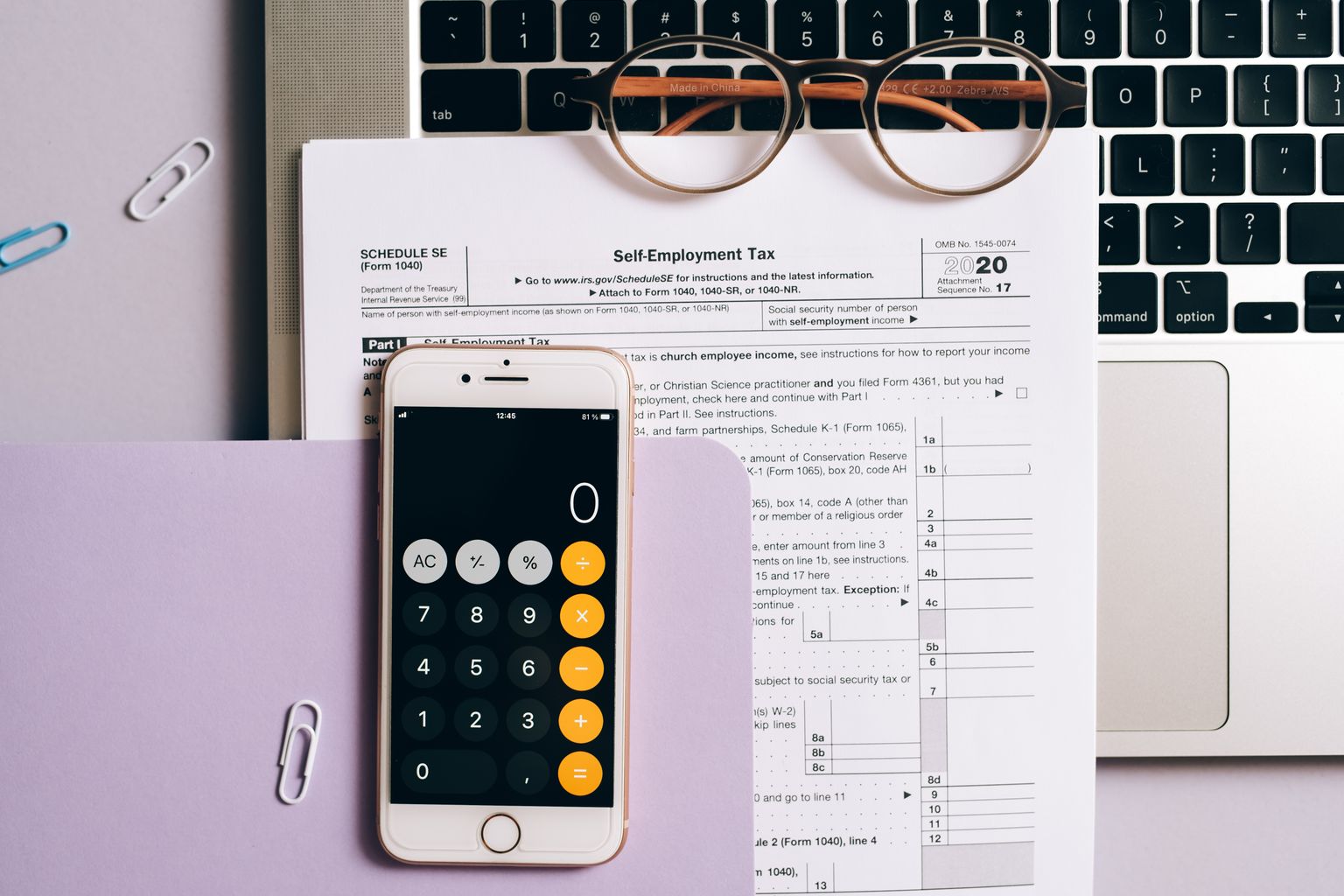
For freelancers and gig workers filing Schedule C, both work. TurboTax folds self-employment into Premium online and adds features like importing income from some gig platforms. TaxAct’s Self-Employed tier costs less and handles the same schedules, so it suits freelancers who already track their own expenses in a spreadsheet.
For an S corporation or partnership return (Form 1120-S or 1065), TaxAct Business runs online, while TurboTax Business is a Windows desktop download. If you’re a small-business owner who works from a Mac or wants to file from a browser, TaxAct is the simpler pick here. If you’re self-employed and also putting money into a solo 401(k) or IRA, our guide to Roth IRA vs 401(k) explains how those contributions change your tax bill.
Who should choose TurboTax?
Pick TurboTax if you:
- Are filing on your own for the first time or feel unsure about tax terms.
- Have brokerage or crypto accounts and want imports to do the typing.
- Qualify for Free Edition and owe a state return, since both are free.
- Want to do your return on a phone app.
Who should choose TaxAct?
Pick TaxAct if you:
- Have filed before and want to pay less for the same forms.
- Collected unemployment and still want a free federal return.
- Earn $89,000 or less and can use TaxAct through IRS Free File.
- Want the stronger accuracy guarantee or cheaper expert help.
One more thing for either program: if you hold accounts outside the US, neither software will remind you of every reporting rule, so read up on FBAR vs FATCA before you file. You’ll find more plain-English tax and money guides on Da Finance Blog.
Conclusion
TurboTax and TaxAct both file accurate returns and support nearly every form a household needs, so the choice comes down to how much guidance you want and how much you’re willing to pay for it. TurboTax wins on ease of use, imports, its mobile app and a free state return for simple filers. TaxAct wins on price, includes unemployment in its free tier, charges less for expert help and offers a bigger accuracy guarantee. If this is your first solo return or you traded investments, start with TurboTax. If you’ve done this before and want to save $30 to $60, start with TaxAct, and check IRS Free File first if your income is $89,000 or less. Neither charges until you file, so you can start your return in both and compare the final price before committing.
Frequently Asked Questions
Q1: Is TaxAct better than TurboTax?
A: TaxAct is better on price and guarantees, while TurboTax is better on ease of use and help. Experienced filers tend to prefer TaxAct; beginners usually do better with TurboTax.
Q2: Is TaxAct cheaper than TurboTax?
A: Yes, at the paid levels. Early in 2026, TaxAct ran about $29.99 to $74.99 for federal versus $49 and $99 for TurboTax's paid online editions, though TaxAct charges $39.99 even for state returns filed with its free version.
Q3: Can I switch from TurboTax to TaxAct?
A: Yes. TaxAct lets you upload a PDF of last year's return from another program to fill in your details, and TurboTax can import competitors' returns too.
Q4: Is TaxAct legit and safe?
A: Yes. TaxAct is an IRS-authorized e-file provider, an IRS Free File partner, and says it has processed more than 111 million returns.
Q5: Why does TaxAct give me a bigger refund than TurboTax?
A: Usually because something was entered differently, such as a missed form or a different deduction choice. Compare both Form 1040s line by line to find it.
Q6: Does TurboTax or TaxAct offer free state filing?
A: TurboTax Free Edition includes a free state return for simple returns. TaxAct charges $39.99 per state, even with its free federal version.
Q7: Which is better for self-employed people, TurboTax or TaxAct?
A: Both handle Schedule C. TurboTax has more guidance and gig-income imports; TaxAct costs less and also offers online business returns for S corps and partnerships.



1 comment
[…] return, but the FBAR goes through FinCEN’s own site, so don’t assume the program in our TurboTax vs TaxAct comparison has filed it for […]