
Published: November 16, 2026
You’ve agreed on a price for the car and signed a stack of forms. Then the finance manager slides one more page across the desk: GAP coverage, $800, “only about $14 more a month.” GAP (guaranteed asset protection) pays off what you still owe on your loan or lease when your car is totaled or stolen and your insurer’s check comes up short.
So, is GAP insurance worth it? It can be, if you owe more on the car than it’s worth. A new car often loses around 20% of its value in year one, while a long loan barely dents the balance, so a $4,000 shortfall is easy to end up with. Below you’ll find a simple way to decide, real price ranges, and the cases where GAP won’t pay.
Quick answer
- GAP is usually worth considering if you put down less than 20%.
- It also fits a loan of 60 months or longer.
- It helps if you rolled old car debt into the new loan.
- It’s common on a lease (check whether yours already includes it).
- You probably don’t need it if you owe less than the car is worth.
- Adding it to your own auto policy often costs about $20 to $100 a year, far less than most dealer prices.
Prices and rules in this guide come from state insurance regulators, the CFPB, and insurers’ and credit unions’ own pages, checked in November 2026.
What GAP Insurance Is and How It Works
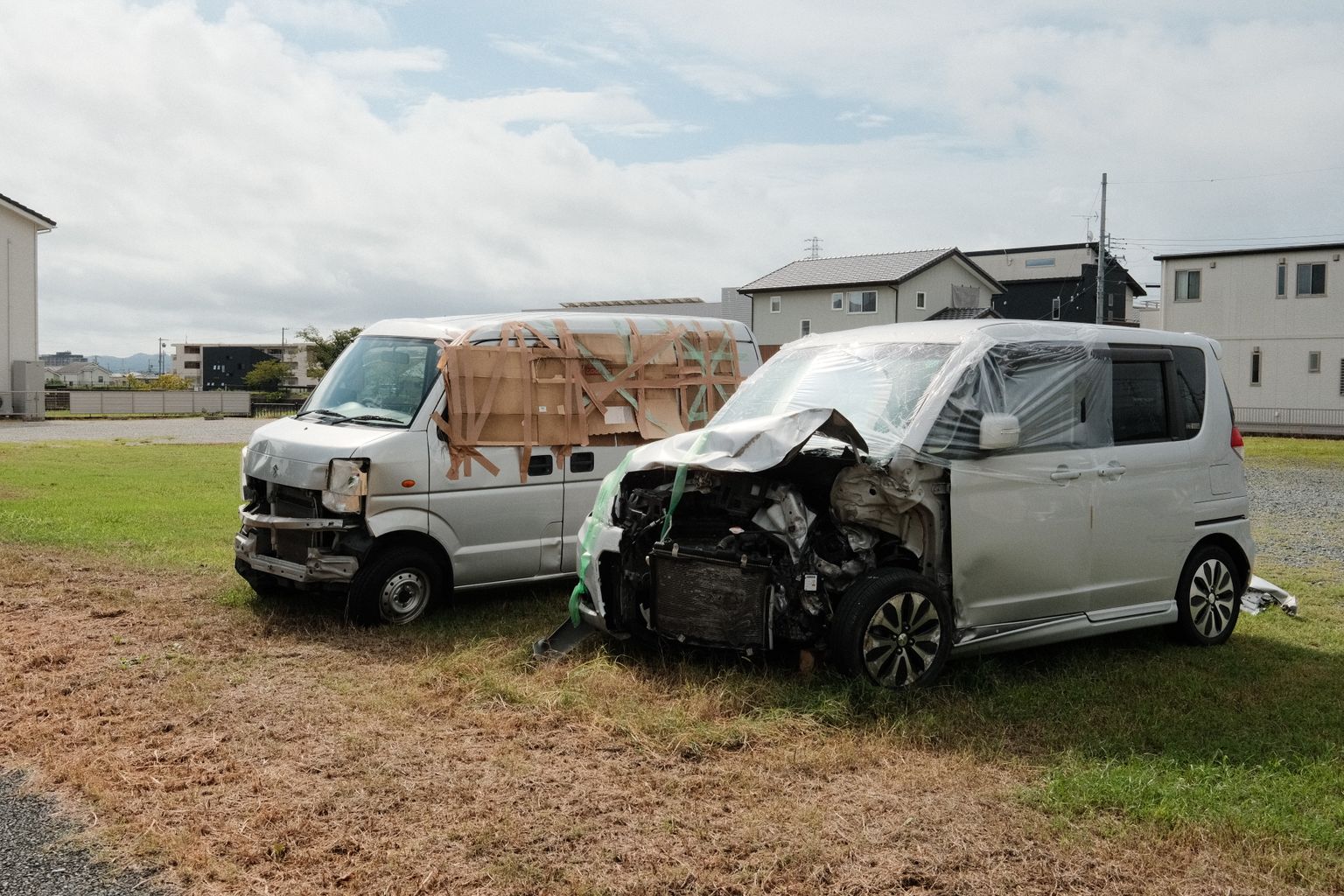
GAP insurance covers the difference between your car’s value and your loan balance after a total loss. Washington’s Office of the Insurance Commissioner describes it as coverage for the difference between what you owe on your vehicle and what your auto insurer pays after a total loss.
Where the Shortfall Comes From
When your car is totaled, your regular insurer pays its actual cash value (ACV). That’s what the car was worth the moment before the crash, not what you paid and not what you owe.
Your loan doesn’t care about ACV. You still owe the lender every dollar left on the balance. A few things push that balance above the car’s value:
- Depreciation: New cars lose value fastest in the first couple of years.
- A long loan term: On a 72- or 84-month loan, early payments go mostly to interest.
- A small down payment: You start the loan with little or no equity.
- Taxes and fees in the loan: You borrow money for things that add nothing to the car’s value.
What GAP Covers and What It Doesn’t
GAP pays your loan or lease balance minus the insurer’s payout. It doesn’t cover:
- Repairs, because GAP only pays on a total loss
- Your deductible, though some policies do, so check yours
- Missed or late payments and late fees
- Extended warranties or other add-ons rolled into the loan
- A down payment on your next car
GAP Insurance vs a GAP Waiver
These two sound the same but work differently. GAP insurance is a policy sold by an insurance company and regulated by your state’s insurance department. A GAP waiver is usually sold by the dealer or lender as part of the loan contract, and the lender agrees to cancel the leftover debt.
The Texas Department of Insurance warns that “gap products you get from a car dealer or bank might not be insurance,” and says it can’t help with disputes over those products. Washington’s regulator goes further: “it’s often a debt waiver agreement they advertise as gap insurance.” The rules, the price, and the refund process all depend on which one you bought, so look at the name on your contract.
Is GAP Insurance Worth It? A Worked Example
GAP is worth the most when you have little or no equity in the car. Here’s an illustrative example of a common deal: a new car, nothing down, and a six-year loan.
| Item | Amount |
|---|---|
| Car price | $35,000 |
| Taxes and fees, rolled into the loan | $2,500 |
| Down payment | $0 |
| Loan | $37,500 over 72 months at 7% APR, about $639 a month |
| Balance owed after 12 months | About $32,300 |
| Car’s value after 12 months (about 20% lower) | About $28,000 |
| Shortfall if the car is totaled | About $4,300, plus your deductible |
Illustrative example. The 20% first-year drop is in line with Kelley Blue Book’s depreciation guide, but your car’s real value depends on the model, mileage, and condition.
Without GAP, you’d pay that $4,300 out of pocket while you shop for another car. Your APR shapes this too. A higher rate means slower payoff, and learning how auto loan interest adds up shows why. If you can, work to improve your credit score before you finance, since a lower rate lets your balance fall faster.
Now change two things. Put 20% ($7,000) down and take a 48-month loan instead. You’d borrow $30,500, pay about $730 a month, and owe about $23,650 after a year. With the car worth about $28,000, you’d have roughly $4,350 of equity. In that case, GAP pays nothing, because there’s no shortfall to cover.
The lesson is simple: the less equity you have, the more GAP is worth.
When GAP Insurance Is Worth Considering
You may need GAP insurance if a total loss would leave you owing money on a car you no longer have. The Texas Department of Insurance says the shortfall “can be thousands of dollars” when the down payment is under 20%, or the loan runs 60 months or more.
GAP is worth considering if:
- You put down less than 20%
- Your loan is 60 months or longer
- You rolled negative equity from your last car into this loan
- You’re leasing (check whether the lease already includes GAP)
- Your model is known to lose value fast
- You drive a lot of miles, which pulls the value down quicker
- You couldn’t pay a few thousand dollars after a total loss
The more boxes you tick, the stronger the case for GAP. One member of the myFICO forums described a spouse whose car was totaled six months into the loan with no GAP. Years later, in that 2013 thread, they were still paying off a car they no longer had. Every car they’ve bought since has had GAP.
When You Can Probably Skip It
You can probably skip GAP if your insurer’s payout would already clear the loan. That’s usually the case if:
- You owe less than the car is worth
- You made a large down payment
- Your loan term is short, say 36 to 48 months
- You bought the car with cash
- The car is older and low in value
- You have enough savings to cover a shortfall without stress
If you already have GAP, you don’t need to keep it forever. The Texas Department of Insurance advises: “Cancel the policy when you owe less than your vehicle is worth.” That usually takes about two years. You may also be owed money back when you cancel, which the refund section below explains.
To check your equity, look up your car’s current value on a pricing guide and compare it with the payoff amount on your loan statement. If the value is higher, the case for GAP is weak.
How Much Does GAP Insurance Cost?
GAP usually costs about $20 to $100 a year when you add it to your own auto policy. A dealer or lender will more often charge a one-time fee of several hundred dollars. Where you buy it changes the price more than anything else.
Cost by Where You Buy It
| Where you buy it | Typical price | How you pay |
|---|---|---|
| Added to your auto insurance policy | About $20 to $100 a year | Part of your premium, cancel any time |
| Credit union or lender | Often about $350 to $800 one time | Paid up front or added to the loan |
| Car dealer | Often $500 to $700 or more | Usually rolled into the loan |
Insurer range: A Triple-I spokesperson told Insure.com it’s typically under $100 a year, and Insure.com’s own sample of insurers averaged about $90. Dealer rates range from the same source. Credit union ranges come from the posted fees on several credit union sites, such as this one-time $595 plan.
Insurer coverage isn’t always identical to a loan-based product, though. A myFICO member in the same thread paid about $3 a month for GAP through their insurer, while another warned that their insurer’s version was capped at a percentage of the car’s value. Compare the limits, not only the price.
Why the Dealer Price Costs More Than It Looks
When GAP is rolled into your loan, you pay interest on it. On the loan above, an $800 GAP product raises the payment by about $14 a month. Over 72 months, that’s about $980 for the $800 product.
Compare that with an insurer add-on at about $90 a year, dropped after two years once you have equity. That’s around $180 in total.
What Affects the Price
- The vehicle: Some models depreciate faster and cost more to cover.
- The loan amount: A bigger balance means more potential shortfall.
- Your state: Rules and pricing limits vary by state.
- Where you buy: Insurer, lender, or dealer, as shown above.
- Deductible coverage: Plans that also pay your deductible usually cost more.
When GAP Insurance Doesn’t Pay
GAP doesn’t pay when the main claim fails, when the car isn’t a total loss, or when your contract excludes part of what you owe. The Texas Department of Insurance notes that most policies have exclusions that can reduce a payout. Common reasons a GAP claim gets denied or comes up short include:
- Your main auto claim is denied: GAP only pays after your insurer pays. No comprehensive or collision coverage, or a lapse in coverage, can stop it.
- There’s no total loss: A repairable car doesn’t trigger GAP.
- You have missed payments or late fees: Overdue amounts are usually left for you to pay.
- Your loan includes add-ons: Rolled-in warranties and service plans are often excluded.
- There’s a payout cap: Many contracts limit the payout or the loan-to-value ratio they’ll cover, so read that line in yours.
- You used the car commercially: Rideshare or delivery driving is excluded in many contracts.
- There’s fraud: Any misstatement on the claim can void it.
- You sold the car or refinanced: Coverage usually doesn’t move to a new loan on its own.
This is why some people still owe money after GAP pays. The leftover is usually one of these excluded items.
How a GAP Claim Works and How Long It Takes
You file the GAP claim after your auto insurer settles the total loss. Expect to send:
- The insurer’s settlement letter showing the ACV payout
- A loan payoff statement from your lender
- Your sales or lease contract and the GAP contract
- The police report, if there was one
- Your loan payment history
Payout times vary by company, so check the claim timeline in your contract. Keep making your loan payments until the lender confirms the balance is paid. Missing them can add late fees GAP won’t cover and hurt your credit.
GAP Insurance on a Used Car
GAP on a used car is needed less often, because used cars have already taken their biggest drop in value. It still fits a used car bought with little down, a high APR, or a long loan, since the balance can stay above the car’s value for a while.
One catch: many insurers only sell GAP on newer cars, often to the first owner of a car that’s two or three model years old or less. If your insurer won’t add it, a credit union or lender may still offer GAP on the loan. Read the eligibility section of the policy before you count on it.
GAP Insurance on a Lease
Many leases already include GAP, so check before you buy it twice. Look in your lease agreement for terms like “GAP waiver,” “GAP protection,” or “GAP coverage,” usually in the itemized charges or the early termination section. If it’s there, decline any extra GAP the dealer offers.
Where to Get GAP Insurance

The cheapest place to get GAP insurance is usually your own auto insurer, then a credit union or lender, then the dealer. Order your shopping that way:
- Your auto insurer: Ask for a quote before you visit the dealer.
- A credit union or lender: Useful if your insurer doesn’t offer it or your car doesn’t qualify.
- The dealer: Convenient, but compare the price first.
You don’t have to buy GAP from the dealer to get the loan. The CFPB says: “Generally you cannot be required to buy an extended warranty, GAP insurance, or credit insurance.” If you’re told it’s required, ask them to show you where the sales contract says so. The FTC’s advice on financing or leasing a car is to get an out-the-door price before you talk about financing, which makes add-ons like GAP easier to spot.
You can usually add GAP after you buy the car, but insurers set their own time limits and age rules for the car, so ask soon after purchase.
How to Check Whether You Already Have GAP
You can find out if you have GAP by checking your paperwork for a line item or policy note. Look in:
- Your retail installment contract or buyer’s order: GAP shows as a separate charge, often under “optional products.”
- Your lease agreement: Check the itemized fees and the early termination terms.
- Your auto policy declarations page: Insurer GAP is listed as a coverage, sometimes under a name like “loan/lease GAP.”
- Your lender or insurer: If the paperwork is unclear, call and ask.
Getting a GAP Refund
You’re often owed a GAP refund if you pay off the loan early, refinance, sell the car, or trade it in. The refund is usually pro-rated for the unused months, minus any cancellation fee.
How to ask for it:
- Find the GAP contract and the company named on it.
- Contact that company or the dealer’s finance office.
- Send proof that the coverage ended, such as a payoff letter, a sale or trade-in document, or the new loan papers.
- Ask for the amount in writing and how it will be paid.
State rules can help. In Texas, for example, a rule for GAP waivers sold with loans requires a full refund if you cancel within 60 days of the loan, and a pro-rated refund after that.
Check who gets the money. In a 2019 myFICO thread, members explained that if the original loan is still open, the refund goes to the lender and reduces your balance. If the car is paid off, one member said the check came in four to eight weeks. Another got “a couple of hundred” back on GAP after trading in a car more than two years old.
Alternatives to GAP Insurance
You can protect yourself from a shortfall without GAP in a few ways:
- Loan/lease payoff coverage: Some insurers offer this instead of GAP. It usually pays a set share of the car’s value toward your loan, so it may not cover a large shortfall.
- New car replacement coverage: If a newer car is totaled, this pays for a new car of the same make and model rather than its ACV. Insurers set limits on the car’s age and mileage.
- A larger down payment or shorter loan: Both build equity faster, so there’s less to protect.
- An emergency fund: Savings can cover a modest shortfall without any extra premium.
Frequently Asked Questions
Q1: Why do dealers push GAP insurance?
A: Add-on products like GAP bring the dealer extra revenue, so finance managers often offer them. GAP is optional, though, and the same coverage is often cheaper from your auto insurer or a credit union. Ask for the price in dollars, not just the change to your monthly payment.
Q2: What does Dave Ramsey say about GAP insurance?
A: Ramsey Solutions rates GAP “not worth it,” because it believes you should buy cars with cash and avoid loans. If you already have a loan with little equity, many people still see GAP as cheap protection until the balance drops below the car’s value.
Q3: What happens if my car is totaled and I have GAP?
A: Your auto insurer pays the car’s actual cash value to your lender first. You then file a GAP claim, and GAP pays the remaining balance, minus any exclusions like late fees or rolled-in add-ons. If your policy covers the deductible, that’s included too.
Q4: Do I still have to make payments on a totaled car with GAP?
A: Yes, keep paying until your lender confirms the loan is closed. Claims can take several weeks, and missed payments add late fees that GAP won’t cover. They can also hurt your credit. Once the claim settles, ask the lender whether any extra payments will be refunded.
Q5: Do I need GAP if I have full coverage?
A: Full coverage pays the car’s actual cash value, not your loan balance. If you owe more than the car is worth, full coverage alone leaves you with that shortfall. GAP covers the difference, and it usually requires comprehensive and collision coverage to work.
Q6: Is it okay not to have GAP insurance?
A: Yes, for many drivers. If you owe less than the car is worth or have savings to cover a shortfall, you can go without it. Some leases and lenders do require it, so check your contract before you decline it.
Q7: How long does GAP take to pay out?
A: It depends on the company and how quickly you send the documents. Your auto insurer has to settle first, and then the GAP provider reviews the claim. Your GAP contract usually lists the claim steps and timelines, so keep a copy handy.
Bottom Line
GAP is worth considering when a total loss would leave you owing more than your insurer pays, and you can probably skip it once you have real equity. Before you sign:
- Check your equity by comparing the car’s value with your loan balance.
- Get a GAP quote from your own insurer before you visit the dealer.
- Cancel GAP once you owe less than the car is worth, and ask for any refund you’re due.
Disclaimer and Sources
This article is for general information only and isn’t personal financial or insurance advice. Policy terms, prices and state rules vary, so check your own contract or talk with a licensed agent about your situation. The site-wide disclaimer applies to every article here.
Sources
- Texas Department of Insurance, GAP insurance consumer tips
- Washington State Office of the Insurance Commissioner, GAP insurance explained
- NAIC, A Consumer’s Guide to Auto Insurance
- CFPB, Am I required to buy GAP insurance?
- FTC, Financing or Leasing a Car
- Texas Administrative Code, 7 Tex. Admin. Code § 83.812 (GAP waiver agreements)



2 comments
[…] per incident rather than the thousands, and the endorsement is not sold in every state. Much like GAP insurance on a car loan, it is an add-on that fills one specific hole rather than a broad upgrade. Read the […]
[…] less and you spend the first year or two owing more than the car is worth. That is the situation gap insurance is built for, and it is why Edmunds pairs a 10% down payment with that coverage rather than […]